Council, Explained: One Last Thing Before You Vote
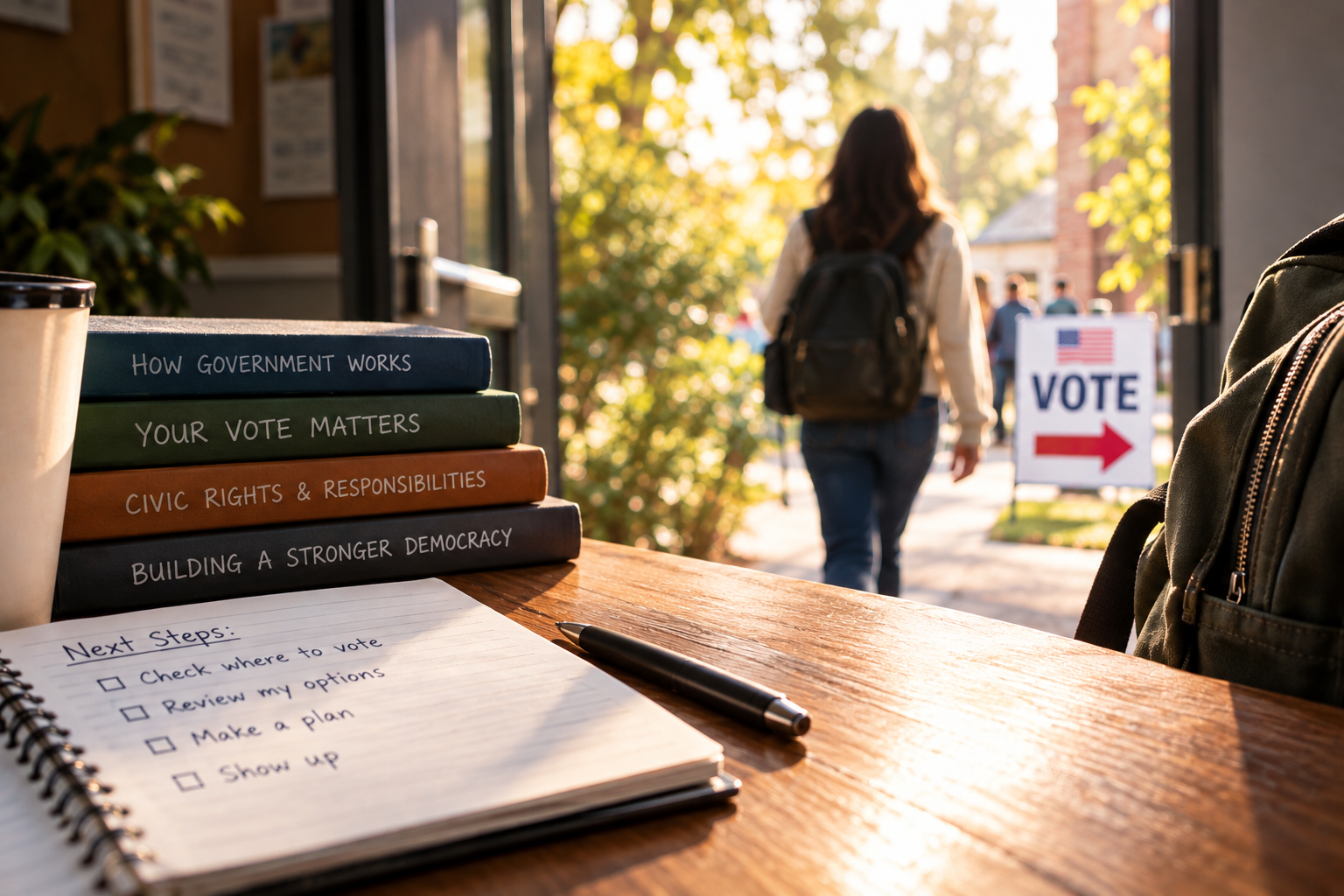
Image generated by AI
Editor: Laurel Davies Snyder
The Campaign Is Almost Over. Now It's Our Turn to Make a Decision.
Over the past several months, we've spent a lot of time talking about municipal government, the role of Council, and what residents should understand before heading to the polls. We've explored everything from why the Mayor is not necessarily the boss, to why the candidate with all the answers might not have the answers we actually need. We've talked about municipal budgets, the infrastructure we rarely notice until something goes wrong, the importance of public input, and the difference between what Council can control and what it can influence or advocate for. We've even talked about what happens after election day, when the campaign signs come down, the celebrations end, and the newly elected Council members discover just how much homework comes with the job.
Now, with Ontario's municipal election taking place on Monday, October 26, it's time to bring these conversations together and think about what we've learned before making our selections.
When I started writing this series earlier this year, my goal was not to tell people who they should vote for, nor was it to criticize the people currently serving on Council or suggest that there is only one type of person qualified to represent a community. Having spent much of my career working within municipal government, and now working with municipalities, residents, businesses, and community organizations through my consulting practice, I've had the opportunity to experience local government from different perspectives. I've seen the work that goes into decisions the public may only hear about briefly, and I've also experienced how frustrating municipal processes can be for people trying to move a project forward, access a service, or simply understand why something is taking so long.
Those experiences have reinforced my belief that municipal government matters enormously to our everyday lives, but that many of us have never really been given the opportunity to understand how it works. We learn about federal and provincial politics through the news, election campaigns, and school, but local government often gets our attention only when something happens in our neighbourhood, our taxes go up, or a decision is made that affects us personally.
My hope was that this series would help close that gap, making municipal government a little more understandable and helping residents feel better prepared to participate in the decisions affecting their communities.
And now, after months of campaigning, it's our turn to make a decision.
We've Learned a Lot, But What Does It Mean for Our Vote?
One of the most important things we've discussed throughout this series is that municipal government is far more complicated than it sometimes appears from the outside. It's easy to become frustrated when a road hasn't been repaired, a development has been approved, property taxes have increased, or a service isn't meeting expectations. We naturally look to the people we've elected and wonder why they haven't simply fixed the problem.
Sometimes those questions are entirely justified. Municipalities should be accountable for their decisions, responsive to their communities, and willing to improve the way they operate. But we've also learned that Council operates within a system of legislation, policies, budgets, professional advice, infrastructure limitations, and responsibilities shared with other levels of government. Understanding these limitations doesn't mean residents should accept every municipal decision without question. Rather, it gives us a better understanding of what questions we should be asking and what Council can reasonably be expected to accomplish.
We've also explored the difference between campaigning and governing, which is particularly important now that voters are making their final decisions. Throughout the campaign, candidates have been sharing their priorities, identifying issues they believe need attention, and explaining what they would like to change. Some are promising lower taxes, while others are focusing on housing, economic development, infrastructure, recreation, public safety, or improving the way municipal services are delivered.
These are all important conversations, and communities benefit when candidates bring forward ideas and challenge the way things have always been done. But a campaign promise is only the beginning of the conversation, and the ability to deliver on that promise is often more complicated than the promise itself.
Consider a candidate who promises to lower property taxes. That may sound appealing, particularly when so many households and businesses are struggling with rising costs. But we've learned that the municipal budget is connected to the services and infrastructure we rely on every day, including our roads, parks, libraries, arenas, fire protection, water systems, and the equipment needed to keep everything operating. A promise to lower taxes becomes much more meaningful when we understand what spending would change, what services might be affected, or what projects could be delayed to achieve those savings.
The same applies to candidates promising to resolve housing challenges, improve health care access, attract new businesses, or address concerns about community safety. These are issues that can significantly affect our quality of life, but they often involve responsibilities and resources extending beyond municipal government. Understanding what Council can directly control, what it can influence through partnerships, and what it can advocate for helps us better understand the role an elected official could play in addressing these challenges.
Perhaps one of the most useful lessons from this series is that we don't have to become experts in municipal government to ask meaningful questions. We simply need to understand enough about the responsibilities of Council to recognize when a promise deserves a little more explanation.
Fresh Faces, Familiar Names, and the People Behind the Campaigns
Every municipal election brings a mixture of familiar names, first-time candidates, returning Councillors, community volunteers, business owners, professionals, and residents who have become interested in local politics because of something happening in their community.
It's tempting to make assumptions about candidates based on whether they have served before, whether they're well known, or whether they represent change. Some residents value the experience and institutional knowledge of those who have already served on Council, while others believe the municipality would benefit from new perspectives, different backgrounds, and fresh ideas.
Both perspectives have merit, and we've explored why neither experience nor being new to municipal politics should automatically determine how we evaluate someone seeking public office.
An incumbent has a record that residents can consider, including their participation in Council decisions, their approach to difficult issues, and how they have represented the community during their term. A first-time candidate may bring valuable experience from business, volunteer organizations, professional work, community service, or other responsibilities that have helped prepare them for public office.
What's important is looking beyond the campaign itself and considering what we know about the people asking to represent us.
We've also discussed why municipal government requires more than having strong opinions or being passionate about a particular issue. Council members will be asked to consider matters they may never have encountered before, including complicated planning applications, infrastructure investments, financial decisions, service delivery challenges, and issues involving competing interests within the community.
The person elected on October 26 will not simply be making decisions about the issues discussed throughout the campaign. They will also be making decisions about challenges and opportunities that none of us can predict today.
That is an important part of what we're considering when we select the people who will represent our communities for the next four years.
Before You Mark Your Ballot
By now, many of us have seen enough campaign signs to last another four years. We've read candidate profiles, watched debates, received pamphlets, followed social media discussions, and perhaps had the opportunity to speak directly with candidates at community events, in our neighbourhoods, or at our front doors.
Some residents have followed the election closely from the beginning, while others are just starting to look seriously at their options. Between work, family responsibilities, appointments, and everything else competing for our attention, it's understandable that municipal politics doesn't always make it to the top of everyone's daily priorities.
But with election day approaching, I would encourage everyone to take a little time to think about what matters most to them and their community, and how the people seeking election have addressed those priorities.
Think about the municipality you want to live in four years from now. What do you value about your community today, and what would you like to see improved? Are you concerned about affordability, housing opportunities, maintaining infrastructure, economic development, recreation, public safety, protecting the environment, managing growth, or maintaining the character of your neighbourhood?
Then consider what you've learned about the candidates and how their ideas relate to those priorities. Do you understand what they're proposing, why they believe it's important, and how they might approach putting those ideas into practice? Are there issues you care about that haven't been discussed during the campaign? Have you had an opportunity to learn about the candidates beyond their campaign signs, slogans, or social media posts?
It's also worth considering whether your opinions about the candidates have been shaped by their own words and actions or primarily by what others have said about them. Social media can be an excellent way to share information and encourage discussion, but it can also turn complex municipal issues into arguments that leave very little room for context or understanding.
We don't all need to reach the same conclusions, and we certainly don't need to agree with every position a candidate takes. Our communities are made up of people with different experiences, priorities, and expectations, and those differences are part of what makes municipal government both challenging and important.
The objective isn't to find a perfect candidate or someone who agrees with us about everything. It's to make a selection based on the information available, the issues that matter to us, and our understanding of the responsibilities that come with serving on Council.
Our Responsibility Doesn't End on Election Day
One of the things I hope has come through in this series is that building and maintaining a strong community involves much more than electing the right people to Council.
Municipal government plays an enormous role in shaping the places where we live, but our communities are also shaped by residents, volunteers, businesses, community organizations, neighbourhood groups, and the countless individuals who contribute their time and energy to making things better.
We've discussed how Council can act, influence, and advocate for matters affecting the community, but those opportunities aren't limited to elected officials. Residents also have the ability to participate, raise concerns, share ideas, volunteer, support local businesses, help their neighbours, and contribute to conversations about the future of their municipality.
Election day is an important part of that responsibility, but it isn't the end of it.
Once the election is over, the new Council will begin the work of reviewing budgets, establishing priorities, considering new projects, maintaining infrastructure, and making decisions that will affect residents over the next four years. Some of those decisions will be popular and others will generate disagreement, just as they always have.
There will continue to be opportunities for residents to participate in consultations, review Council agendas, ask questions, share their experiences, and provide input into municipal decisions. Staying informed and engaged between elections can be just as important as the decision we make at the ballot box.
A strong community requires both responsible local government and residents who are interested in helping shape the place they call home.
What's Next for Council, Explained?
As we bring this newspaper series to a close, I want to sincerely thank everyone who has taken the time to read these articles, share them with others, provide feedback, ask questions, or contribute to conversations about municipal government. I've appreciated hearing from people with different experiences and perspectives, and I hope these discussions have encouraged a greater interest in how our communities are governed.
While the newspaper series is ending, our efforts to make municipal government more understandable are not. In a few weeks, Ashley Meghan will be introducing an animated educational video series through www.ashleymeghan.ca, designed to help residents and newly elected Councillors better understand the roles, responsibilities, and realities of municipal government.
These videos will build on many of the topics we've explored together, using accessible, engaging explanations to help people understand how municipal decisions are made, what Council and staff are responsible for, and how residents can participate effectively in their communities. Whether you're sitting at the Council table for the first time or simply interested in understanding how local government works, our hope is that these resources will make municipal information easier to access and understand.
When I started this series, I wanted to help residents better understand the job before deciding who should do it. As we approach election day, I hope I've accomplished at least a little of that, and that these articles have encouraged readers to look beyond campaign promises and think about the longer-term decisions that will shape their communities.
We may have different opinions about what our municipalities need, which candidates should represent us, or what priorities Council should pursue over the next four years. But regardless of those differences, we all have a shared interest in seeing our communities thrive.
Because municipal elections aren't just about choosing who gets to sit at the Council table. They're about the communities we want to build, the responsibilities we're asking others to take on, and the role each of us can play in shaping what comes next.
On October 26, the decision is yours. Make it an informed one.