Beware of the Council Candidate with All the Answers
Edited By Laurel Davies Snyder
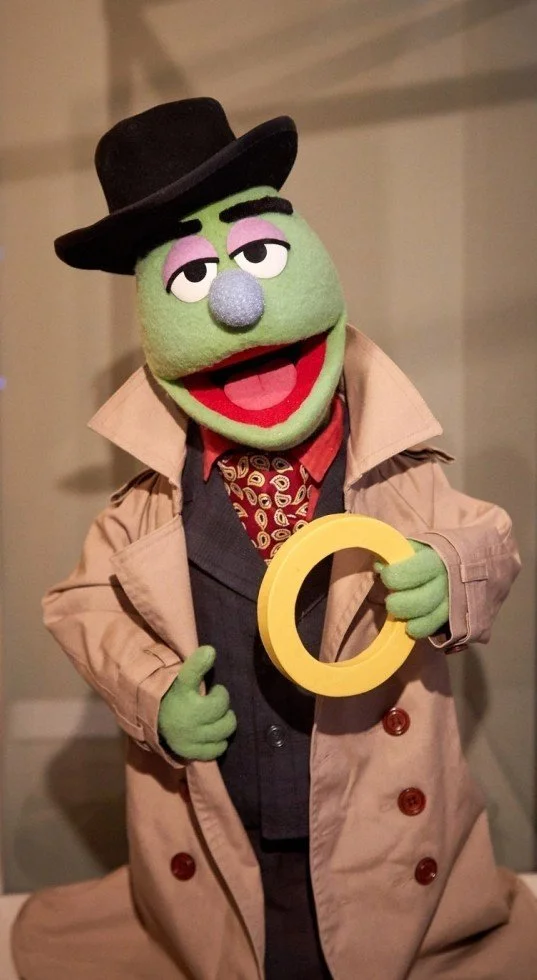
The most dangerous people on the campaign trail aren't the unqualified ones. Political danger lies in the overly confident, not the unpolished.
There's a type of municipal candidate that voters typically reward and support. They are confident. They are decisive. They have strong opinions on every issue and can provide seemingly simple answers and solutions to complex issues. They offer a clear plan - and promises - for the potholes, the taxes, the housing file, and the snowplows. The candidate who shows up at your door, looks you in the eye, and says “I'll fix it”, offers security and assurances that instinctively, you want to support.
It's a comforting pitch but it’s also a warning sign. Because the challenges facing municipalities today are complex and the job of being a Councillor is also complex; often more complex than anyone can claim to have figured out before even sitting at the Council table. Local government touches everything from infrastructure funding formulas to planning legislation, financial reserves, provincial legislation, environmental regulation, accessibility requirements, labour relations and more. No first-time Councillor is fluent in all of this on day one. Not one. And the experienced Councillors will tell you that the longer they serve, the more they realize to how much they still don't know. Issues facing municipalities keep changing and there are new issues every day. What was a key issue event 5 years ago is not the key issue today. Becoming an effective Councillor is a continuous - and sometimes steep - learning curve. For everyone.
So, when a candidate stands at your door saying that they have the answer to everything, the honest questions you should ask yourself isn't “Can they deliver?” — it's “Do they actually understand what they're being asked to do? Are they willing to consider all the information to make an informed decision?”
Confidence isn't the same as competence
This is the part of municipal politics that surprises a lot of first-time voters.
We're conditioned to associate confidence with capability and with making the right decisions. The candidate who speaks fluently, answers quickly, and never hedges feels like a leader and someone you want to support with your vote. The candidate who pauses and says “That’s a fair question. I'd like to see the staff report before making a decision“ or “I don't know yet, but here's how I'd find out” can sound less impressive. However, in terms of good governance, these are the people you want at the Council table.
Ignoring complexity leads to flawed decisions and shuts down debate
A Councillor's actual day-to-day work isn't speeches. It's reading 400-page agenda packages on a Sunday night. It's weighing engineering reports against community input. It's asking the right questions to the right staff members at the right moment. It's knowing when to push, when to listen, and when to say “I need more information before I vote on this”.
A candidate who can't imagine ever saying that last sentence is a candidate who hasn't yet understood the job and may rush into decisions that aren’t actually grounded in evidence or information.
Three things to listen for when you’re being asked for your vote
When you meet candidates at debates, on doorsteps, in the comment sections, listen less for what they promise and more for how they think. A few things worth watching for:
1. Do they ask questions, or just answer them?
A candidate who's curious about your concerns, asks what you've noticed, what you've heard, and what your neighbours are saying, is showing the same instinct they'll bring to the Council table. Decisions get better when the people making them ask questions before they form opinions.
2. Do they describe a process, or just a position?
"I'm against that development" doesn’t tell you anything about how they will govern. "Here's what I'd want to see in the planning analysis and the staff report before I form a position" tells you a lot more. Just saying that you are against something is an opinion. Asking for more information and providing reasons why is a method and indication that they’ll consider all available information before making any decision. All Council decisions are made through a legislated process. Candidates who already think they know the outcome, before the process has even started – and how they may vote on any given item - are showing you their hand and undermining the public process.
3. Do they distinguish between what they want and what Council can actually do?
"I'll lower your taxes" sounds great. But a candidate who can explain which parts of the budget are discretionary, which are legislated, and which are tied to long-term debt servicing is the candidate that has taken the time to look at the books and understand how municipal finances work. The pitch becomes less exciting, but this is the more credible candidate.
The red flag almost everyone misses
Watch out for the "I'll just fix it “candidate.
Every election cycle, someone runs on the idea that local government is broken because no one's been willing to make the “obvious” decisions. That if we just had stronger leadership, someone who isn’t afraid to push back against staff, ignore the studies, override the consultants, and get things done, everything would move faster and your community would be better.
It's a tempting pitch. But ignoring complexity and rushing into decisions is how municipalities end up at the Ontario Land Tribunal, paying legal fees they didn't budget for, and trying to defend decisions that weren’t grounded in policy or evidence in the first place. These are the decisions that get overturned.
There's an important distinction here. Strong Councillors do push staff. They challenge recommendations. They ask difficult questions. That's the job. But they also know the difference between rigorous oversight and ignoring expertise, and they know which one keeps the municipality out of court, and out of the headlines for the wrong reasons.
The Council candidate who treats staff, planners, lawyers, and engineers as obstacles to overcome, rather than as the professionals helping them make defensible decisions, is telling you exactly what kind of Councilor they'll be.
Why this is harder than it sounds
None of this is intuitive. Most of us aren't trained to evaluate humility, listening skills, or analytical instincts in a thirty-second doorstep conversation or by reading a short bio or campaign platform in the local newspaper or on a website. We're trained to reward certainty. To put our vote behind confidence and people who say “I’ll fix it. I have the answers.”
So, this takes practice. It means listening for the texture of a candidate's answers, not just the volume. It means noticing when a candidate is reasoning out loud versus reciting talking points. It means being a little suspicious of anyone who seems too sure, on too many issues or files, too early in the process before information has been gathered and presented to the community.
The best Councillors I've worked with across municipalities, across political stripes, across years of practice all share one trait. They know what they don't know and aren’t afraid to say, “I don’t know”. They ask a lot of questions. They read and do their research. They listen. They take their time. And when they're certain, they're certain because they've done the work to get there, not because certainty is their default setting.
That's the candidate worth voting for.
Not the loudest person in the room. The one most willing to say: let me find out.
Next in the series: Sometimes the right decision is the unpopular one. How to tell the difference between a Council that's making a courageous call — and one that's just out of touch.